

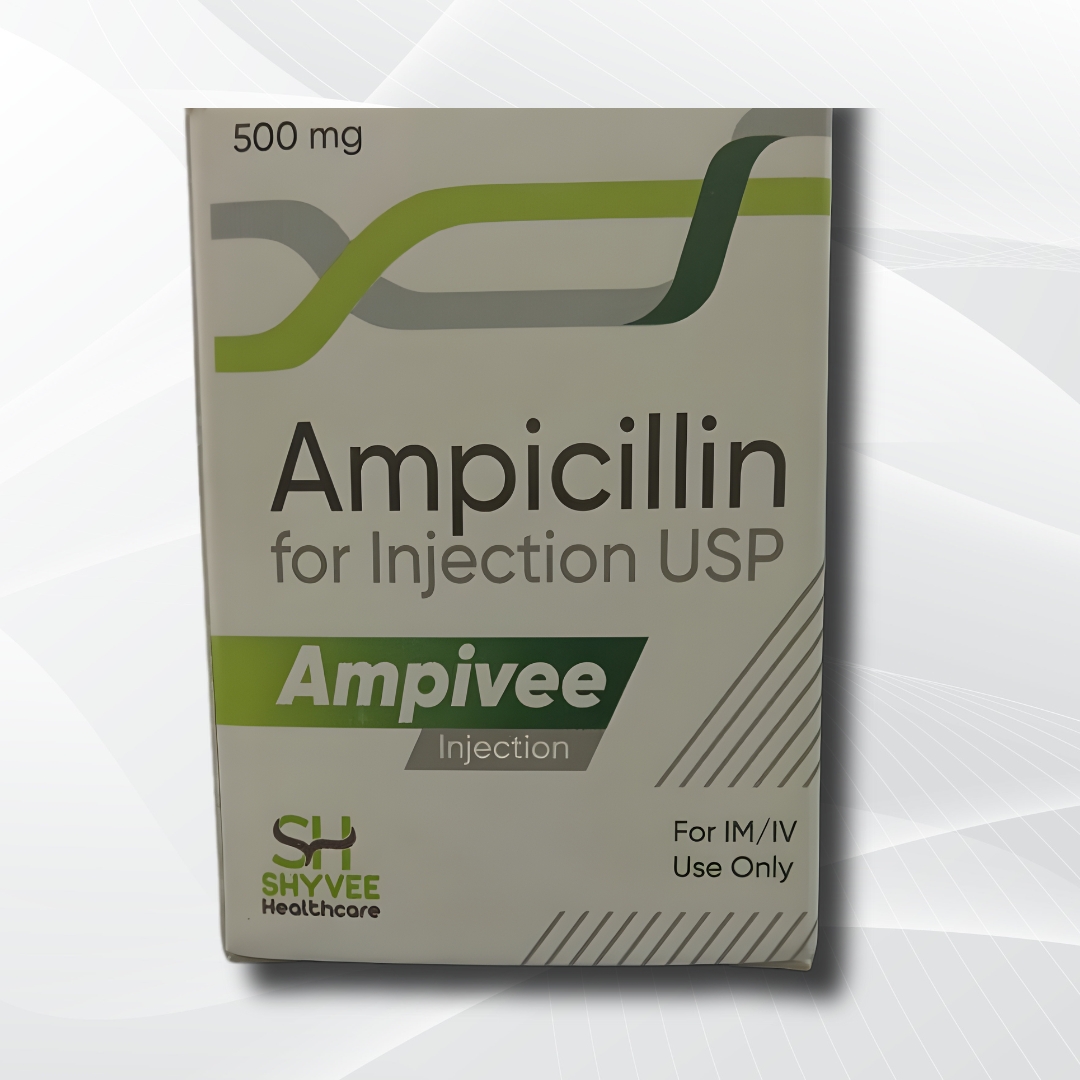
Ampicillin 500mg Injection: Uses, Risks, and Safety Tips
By Shyvee Healthcare
“Disclaimer: The information in this blog is for educational purposes only and not a substitute for professional medical advice. Always consult your Doctor.
Ampicillin injection is a cornerstone in the world of antibiotics, belonging to the penicillin class. Known for its broad-spectrum activity, it targets a wide range of bacterial infections by inhibiting the formation of bacterial cell walls, ultimately leading to the destruction of harmful bacteria. Ampicillin 500mg for Injection USP, a specific formulation, adheres to United States Pharmacopeia standards, ensuring quality, purity, and potency. This blog delves into the myriad ampicillin injection uses, the specifics of Ampicillin 500mg for Injection USP, and critical insights for its application, offering a comprehensive look at this vital medication.
➤ What is the function of ampicillin 500mg?
Ampicillin is a semi-synthetic penicillin antibiotic, effective against both Gram-positive and Gram-negative bacteria. Unlike oral forms, ampicillin injection is administered intravenously (IV) or intramuscularly (IM), making it ideal for severe infections or situations where patients cannot take medications by mouth. Its rapid delivery into the bloodstream ensures quick action, a crucial factor in life-threatening conditions. Ampicillin 500mg for Injection USP comes as a sterile powder, reconstituted with sterile water or a compatible solution before use, and is a staple in hospitals and clinics worldwide.
➤ What is ampicillin 500mg injection used for?
The versatility of ampicillin injection makes it a go-to treatment for various bacterial infections. Below, we explore its primary uses, highlighting its efficacy and scope.
➤ Respiratory Tract Infections
One of the key ampicillin injection uses is treating respiratory infections. Conditions like pneumonia, bronchitis, and sinusitis caused by bacteria such as Streptococcus pneumoniae, Haemophilus influenzae, and Staphylococcus aureus respond well to ampicillin injection. For patients with severe lung infections, especially in hospital settings, this treatment can be a lifesaver, rapidly reducing bacterial load and alleviating symptoms.
➤ Urinary Tract Infections (UTIs)
Ampicillin injection is highly effective against urinary tract infections, particularly those caused by Escherichia coli, Proteus mirabilis, and other susceptible organisms. Complicated UTIs, such as those in patients with catheters or underlying kidney issues, benefit from ampicillin injection uses, as it delivers the antibiotic directly to the bloodstream for swift action, preventing the spread of infection to the kidneys or beyond.
➤ Bacterial Meningitis
In cases of bacterial meningitis, a dangerous infection of the membranes surrounding the brain and spinal cord, ampicillin injection plays a critical role. It targets bacteria like Listeria monocytogenes and Streptococcus species, often used in combination with other antibiotics for broader coverage. Ampicillin 500mg for Injection USP is a trusted option, administered under close medical supervision to combat this life-threatening condition effectively.
➤ Septicemia
Septicemia, or bloodstream infection, demands rapid intervention. Ampicillin injection uses extend to this critical area, addressing bacteria like E. coli, Streptococcus, and certain Staphylococcus strains. The IV route of Ampicillin 500mg for Injection USP ensures the drug reaches therapeutic levels quickly, halting the spread of infection and reducing the risk of sepsis-related complications like organ failure.
➤ Gastrointestinal Infections
Bacterial infections of the gastrointestinal tract, such as those caused by Shigella (shigellosis) or Salmonella (typhoid fever or gastroenteritis), are another domain for ampicillin injection uses. These infections can cause severe diarrhea, abdominal pain, and fever, and ampicillin injection helps eliminate the causative bacteria, aiding recovery, especially in severe or systemic cases.
➤ Endocarditis
Another application involves treating endocarditis, an infection of the heart’s inner lining, often affecting the valves. Caused by bacteria like Enterococcus species, this condition demands prolonged antibiotic therapy. For instance, Ampicillin 500mg for Injection USP, often paired with agents like gentamicin, eradicates the infection, protecting the heart from further damage.
➤ Ampicillin 500mg for Injection USP: Key Details
Ampicillin 500mg for Injection USP is a sterile, dry powder packaged in vials, designed for reconstitution before administration. Here’s a closer look at its specifics:
➤ Preparation: The powder is mixed with sterile water for injection or another compatible diluent, such as saline, following strict aseptic techniques.
➤ Dosage: Typical adult doses range from 500 mg to 2 grams every 4-6 hours, depending on the infection’s severity, patient weight, age, and renal function. Pediatric doses are calculated per kilogram of body weight.
➤ Administration: IV infusion is preferred for severe infections, delivering the drug over 10-30 minutes, while IM injections suit less urgent cases. Healthcare professionals handle both routes.
➤ Storage: Store unreconstituted vials at room temperature, away from moisture and heat, and use reconstituted solutions promptly or within recommended timeframes per guidelines.
The USP designation guarantees consistency, making Ampicillin 500mg for Injection USP a reliable choice for clinicians.
➤ Benefits of Ampicillin Injection
Ampicillin injection offers several advantages:
Rapid Onset: Direct delivery via IV or IM ensures quick therapeutic levels, critical for emergencies.
Broad-Spectrum Coverage: Targets a wide array of bacteria, enhancing its utility across infections.
Trusted Quality: Ampicillin 500mg for Injection USP adheres to rigorous standards, ensuring safety and efficacy.
Flexibility: Suitable for patients unable to take oral antibiotics, such as those with severe illness or post-surgery.
Precautions and Side Effects
While effective, ampicillin injection requires caution:
- Allergies: Patients allergic to penicillin or cephalosporins should avoid ampicillin injection. Anaphylaxis, though rare, is a serious risk.
- Medical History: Inform your doctor of kidney disease, liver issues, or a history of antibiotic-related colitis.
- Side Effects: Common ones include nausea, vomiting, diarrhea, rash, and injection site pain. Serious reactions, like Clostridium difficile-associated diarrhea or blood disorders, warrant immediate medical attention.
- Resistance: Overuse or misuse of ampicillin injection uses can lead to bacterial resistance, reducing future effectiveness.
Always use under medical supervision, with susceptibility tests to confirm the bacteria’s sensitivity.
➤ Limitations
- Not for Viruses: Ampicillin injection is ineffective against viral infections like colds or flu.
- Professional Use Only: Requires trained administration, not suitable for home use.
- Monitoring: Kidney function and other parameters may need tracking during prolonged use.
➤ Conclusion
Ampicillin injection, particularly Ampicillin 500mg for Injection USP, is a powerful tool in the fight against bacterial infections. Its diverse ampicillin injection uses—from respiratory and urinary tract infections to meningitis and septicemia—make it indispensable in modern medicine. Administered correctly, Ampicillin 500mg for Injection USP offers rapid, reliable relief, backed by USP quality standards. However, it demands careful use under a healthcare provider’s guidance to maximize benefits and minimize risks. For personalized advice on ampicillin injection uses, consult your doctor, and never self-medicate with antibiotics.